Commercial Waste Removal in Thamesmead

Commercial waste removal in Thamesmead should be straightforward, dependable and suited to the way your premises actually operate. We handle routine and one-off waste collection for workplaces that need clear, lawful removal of mixed commercial rubbish, from packaging and general office waste to larger bulky items that are no longer needed. The aim is simple: keep business spaces clear, reduce disruption and arrange disposal in a way that is practical for busy teams.
Our service is built around commercial premises that need waste taken away without turning the process into a major project. That can include offices, shops, storage areas, light industrial units and other trading spaces where waste builds up gradually or after a change in operations. If you need a tidy, organised clearance, we can discuss the type of material involved and match the collection to the volume, access and timing requirements.
For many customers, the first step is deciding whether the waste is general office rubbish, furniture, mixed commercial waste or a more specialist category. Different materials need different handling, and separating them early helps keep the job efficient. If you already know what needs removing, a clear description is usually enough to start planning the visit. If not, it is still useful to outline the space, the approximate quantity and any access restrictions so the collection can be scoped properly.
Business waste collections arranged around your premises
Commercial waste removal often works best when the collection is planned around how your site is used. A back office may need careful timing so normal work can continue, while a storeroom or basement area may simply need a straightforward clearance. Our approach is to keep the waste removal process practical: remove what has built up, separate obvious reusable or recyclable material where appropriate, and leave the space ready for its next use.
We can help with recurring waste issues and with clear-outs after changes to layout, stock levels or occupancy. In many workplaces, waste is not just general rubbish; it includes broken fixtures, redundant displays, damaged office items and packaging that accumulates around deliveries. The best result usually comes from taking a broad view of the items present, then deciding what should be removed together and what needs to be treated as a separate stream. Clear information about the waste type helps us organise the work sensibly.
When preparing an enquiry, it is useful to note three things: the kind of waste, the amount involved and the access available. A short list can be enough to make the next step easier:
- the rooms or areas where the waste is stored
- the main item types, such as furniture, bags, cartons or mixed debris
- any lifting, parking or access concerns that may affect the collection
Office waste and workplace clearances

Office waste removal covers the type of material that accumulates in working environments over time: redundant desks, chairs, storage units, filing items, packaging and general rubbish from reorganisations or departures. It is often more efficient to clear these items in one organised visit than to move them in small batches. That helps create usable space without leaving staff to sort awkward or bulky pieces themselves.
For office settings, a sensible clearance plan starts with what needs to be removed and what must remain in place. If there are shared areas, reception spaces or rooms used by multiple teams, it is worth identifying those separately so the work can be carried out in the right order. We can remove items from single rooms or larger workplace areas, and the collection can be tailored to the size of the office and the quantity of material already accumulated.
Where offices contain mixed waste rather than a single category, the work may involve separating paper-heavy rubbish, general bagged waste and larger furniture items. That is not just a matter of convenience; it can also make the process more controlled. Keeping the clearance organised from the outset avoids confusion on the day and helps ensure that all the waste is dealt with in a way that suits the premises.
Furniture removal for business premises
Furniture removal is a common part of commercial waste removal because workplaces often replace items before they are physically worn out. Old desks, shelving, chairs, tables and storage units can quickly take up valuable room in an office, shop or back-of-house area. Removing those items can make it easier to reconfigure the space, prepare for refurbishment or simply restore clear floor area.
We can deal with single bulky items or larger furniture loads, depending on what is ready to go. The key point is that furniture usually needs slightly different handling from bagged waste or loose rubbish, especially when it is heavy, awkward or positioned in a tight room. A careful description of the items helps us work out the most practical removal method and whether there are any access limits that should be considered before collection.
In business settings, furniture clearance is often linked to a change in use rather than a one-off disposal problem. That might involve swapping old fittings for newer ones, clearing units after a lease event or removing leftover stockroom furniture that no longer serves a purpose. If you are comparing the likely scope of the work, it can help to separate items that are straightforward to move from those that may require disassembly or extra handling.
Waste types we can help remove

Commercial waste can mean many different things, so it helps to be specific. Some collections are mainly light office waste; others contain bulky mixed items, redundant fixtures or material from a particular department. The more accurately the waste is described, the easier it is to keep the collection efficient and compliant. We do not need every detail at the outset, but we do need enough information to understand the category of waste and the overall scale.
Useful examples of common commercial waste include packaging, broken furniture, unwanted fittings, old storage items, bagged rubbish, and general clear-out material from storage rooms or work areas. If there are specialist items involved, they may need to be identified separately before a collection is arranged. A business clear-out is rarely improved by mixing every item together and hoping it will sort itself out later; a little structure at the start usually saves time.
In practical terms, the service is designed to handle a wide range of workplace rubbish without forcing customers into a rigid format. Some premises need help with a single room, others with several areas on the same site. The important thing is that the waste is described honestly and clearly so the collection matches the actual job. That gives you a more realistic plan and avoids unnecessary back-and-forth before the removal takes place.
Pricing factors and quotation details
Commercial waste removal costs are usually shaped by the amount of waste, the type of material, the access to the load, and the time needed to complete the collection. A tidy ground-floor clearance is very different from removing mixed items from a top-floor storage room or a busy workplace with limited access. When waste is heavy, awkward or spread across several areas, that can also affect the way the job is organised.
For a quotation, it helps to provide enough detail for the work to be understood clearly. You do not need to write a long report, but a concise note on the waste type and quantity makes a real difference. If possible, mention whether the items are already gathered together or still spread through the premises. That gives a better basis for assessing the collection and helps reduce avoidable uncertainty before the visit.
If you are ready to begin, ask for a quotation and share a brief description of the waste. If you are still deciding what should be removed, start with the main categories and work from there. A short, accurate summary is usually better than an overcomplicated explanation. Keep the description practical, and the next step becomes much easier.
Planning access, timing and site preparation
Commercial collections are usually smoother when the access plan is thought through in advance. That might mean checking whether waste is near a loading point, whether there is parking close by, or whether the items need to be carried through shared corridors or internal stairs. These details do not need to be elaborate, but they do matter when the collection has to work around a live business environment.
It is also helpful to decide whether the waste is ready in one place or whether it needs to be gathered from several rooms. If the items are scattered, that should be mentioned so the job can be approached appropriately. In many premises, a short preparation step makes the removal more efficient: identify what is going, keep what must stay, and make sure obvious obstacles are not left in the way. If you have any special timing needs, mention them when you request a quote.
Where collections involve business operations in progress, the timing may need to avoid peak activity or customer-facing periods. That is not unusual, and it is often the difference between a clearance that feels disruptive and one that feels well managed. Planning around your site’s rhythm helps the work fit the day rather than the day fitting the waste.
About Thamesmead
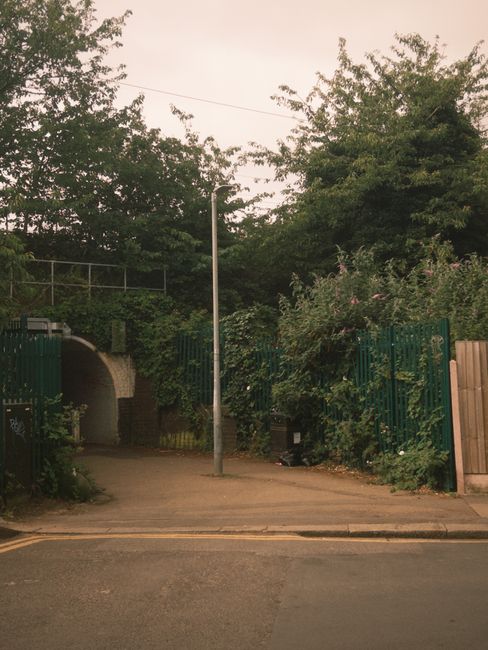
Thamesmead is a large district in south-east London that was developed in the second half of the twentieth century, largely on former marshland beside the River Thames. Much of its identity comes from the scale of the post-war housing estates, open walkways and the network of water features that were designed into the landscape. The area spans parts of the London Boroughs of Bexley and Greenwich, and its built form reflects several phases of planning and expansion rather than a single historical centre. One of its most recognisable features is the broad open character of the residential environment, where blocks, roads and pedestrian routes are arranged with generous spacing and extensive green corridors. Southmere Lake is among the best-known local landmarks, and the lakes, canals and wetlands around the district contribute to its distinctive setting. Nearby green spaces and waterside paths give Thamesmead a strong sense of openness compared with denser inner London neighbourhoods. The area also sits within a wider landscape shaped by the River Thames, with transport routes and redevelopment projects continuing to influence how people move through and experience the district. As with many parts of London that were planned in the modern era, Thamesmead combines housing, local centres and open space in a way that makes its character easy to recognise. Its architecture, open layouts and water-based environment give it a visual identity that remains closely associated with the name itself.
Clearances for garages, storage rooms and other bulky items

Some commercial waste removal jobs are not about general rubbish at all, but about clearing compact spaces where bulky items have accumulated. Garages, back stores, plant rooms and shared storage areas often contain a mix of redundant equipment, old packaging, unused furniture and general clutter. These spaces can become hard to navigate, which is why a structured clearance is often the most practical way to restore usable room.
We can remove bulky items that have become difficult to shift in-house, as well as mixed waste from storage areas that need a full clear-out. The main consideration is not just the item itself, but how it is stored and how it can be removed safely from the premises. If the space contains a mixture of loose material and larger objects, it is sensible to describe both so the collection can be organised effectively.
For businesses that use storage as part of day-to-day operations, a clearance can be a useful reset point. Once the old material is removed, it becomes easier to see what is actually needed and what has simply been left behind over time. That makes future storage simpler and reduces the chance of unnecessary waste building up again.
Recycling, sorting and responsible disposal
Responsible commercial waste removal is not just about taking items away; it is also about handling them in a sensible and lawful way. Different waste streams may need to be separated or identified correctly so they can be directed to the appropriate route. Where the material allows, recycling can form part of the process, especially with items such as metal, cardboard, office materials and other common commercial waste types.
This is one reason why accurate descriptions matter. If a collection contains mixed waste, furniture or other bulky items, knowing that in advance helps with sorting and handling. It also helps avoid treating everything as if it were the same kind of material, which is rarely the best approach. A clearer picture of the waste usually means a cleaner, more orderly disposal process and a better match between the collection and the contents.
Customers often want to know what should be kept separate and what can travel together. The answer depends on the waste itself, but a practical rule is to identify anything unusual early and avoid mixing unrelated materials where possible. If you are unsure what category an item falls into, include it in your description rather than leaving it out. That gives a more reliable basis for planning and keeps the clearance straightforward.
Start with a clear description of the job

Good commercial waste removal begins with a clear description of what needs to go. A concise message that names the waste type, the location within the premises and the approximate amount is usually enough to get the process moving. If the site has multiple rooms or levels, mention that too. The aim is to make the collection easy to understand, not to produce a lengthy inventory.
If you are preparing a quote request, try to note whether the waste is already gathered, whether anything is particularly heavy or awkward, and whether access is straightforward. These small details can affect the plan significantly. Simple preparation often leads to a simpler collection, especially when the premises are busy or the waste has built up over time. If you are ready to arrange the work, request a quotation and outline the main items to be removed.
Commercial Waste Removal Thamesmead is here to support business premises that need waste taken away in a practical and organised way. Whether you are dealing with office clearances, bulky items or mixed commercial rubbish, the next step is to get the scope right. Ask for a quotation and let us know what needs removing.