Complaints Procedure for Commercial Waste Removal Thamesmead
 This Complaints Procedure sets out the steps a business should expect when raising concerns about commercial waste removal in Thamesmead and related services. The purpose of this policy is to ensure that complaints about commercial rubbish removal Thamesmead are handled fairly, promptly and transparently. It applies to all contracted commercial waste collection Thamesmead activities, including scheduled collections, ad hoc clearances and site visits. The procedure emphasises clear records, impartial investigation and proportionate remedies where service failures are identified.
We recognise that effective complaints management protects both the client and the service provider. A complaint may relate to missed collections, contamination incidents, damage to property, pricing disputes or behaviour of operatives during a Thamesmead commercial waste services visit. Complaints will be logged, acknowledged and assigned a reference number to allow secure tracking through defined stages. Timescales for initial acknowledgment and full response are stated below to set consistent expectations for businesses using commercial waste removal services.
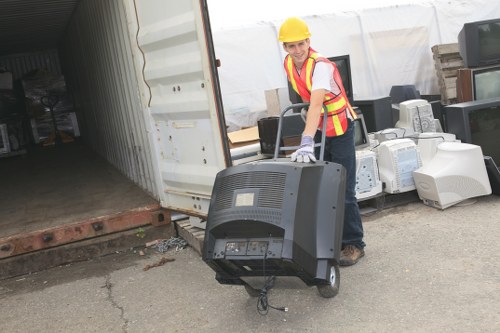 Stage 1: Informal resolution. Where possible, customers should raise concerns with the operative on site or the duty supervisor at the time of the incident to seek an immediate remedy. Many issues can be resolved rapidly at this stage by clarifying procedures, arranging a make-good visit or correcting a scheduling error. If the matter cannot be resolved informally within a reasonable timeframe, the complainant may request escalation to the formal complaints process.
How to make a formal complaint
Stage 2: Formal complaint submission. A formal complaint should include the date and time of the incident, the nature of the concern, the location and any supporting evidence (such as photographs or booking references). The complaint will be recorded in the complaints register and assigned to a designated complaints officer. The officer will confirm receipt in writing and provide an estimated timeframe for investigation and response.
 Stage 3: Investigation. The complaints officer will gather relevant information, interview staff or contractors involved, review operational records and inspect the site if necessary. Investigations will be conducted impartially and documented. The officer may consider contractual obligations, environmental regulations, duty of care, and safe working practices during the assessment. Confidentiality will be maintained for personal data in accordance with applicable data protection rules.
Stage 4: Outcome and remedy. After completing the investigation, the complaints officer will issue a formal response explaining findings and any corrective actions. Possible remedies include:
- an apology for service failure;
- re-scheduling or undertaking remedial collection;
- financial adjustment where contractual charges are affected;
- disciplinary or training action for staff where appropriate;
- system changes to prevent recurrence.
Escalation and review
Stage 5: Appeal. If the complainant is not satisfied with the outcome, they may request an internal appeal. The appeal will be reviewed by a senior manager not previously involved in the matter. The review will consider new evidence and whether the investigation and proposed remedy were proportionate. The decision following appeal will be final within the organisation except where external dispute resolution is available under the terms of contract or regulatory frameworks.
 Recording and reporting: All complaints, investigations and outcomes will be recorded in the central complaints log for a defined retention period. The organisation will analyse complaint trends periodically to identify systemic issues affecting business waste collection and to inform continuous improvement. Statistical summaries may be used for management reporting while preserving confidentiality of individual complainants.
 Confidentiality, data use and legal notes: Complaints will be handled in a way that respects confidentiality and personal data obligations. Records created during complaint handling may be used for operational review, regulatory compliance and, where applicable, insurance or contractual dispute resolution. This procedure does not limit any legal rights available under contract law, environmental law or other applicable legislation, nor does it constitute legal advice. For situations involving potential environmental harm, health and safety breaches or criminal conduct, the organisation will act in accordance with statutory reporting duties and may notify relevant authorities without further consent where required by law.
Performance standards and timeframes: The organisation aims to acknowledge all formal complaints within five business days and to provide a substantive response within twenty-eight calendar days. Complex cases requiring site inspections or third-party inputs may require extended timescales; the complainant will be kept informed of any reasonable extensions and interim progress. Commercial waste removal Thamesmead providers should publish or make available these timescales in their contractual terms so clients understand expected response windows.
Record retention and review cycle: Complaint records will be retained for the period required by contractual obligations and legislation. An annual review of the complaints procedure will be conducted to ensure it remains effective and compliant with regulatory expectations for commercial waste and business waste collection services.
Accessibility and reasonable adjustments: The complaints process will be accessible to all businesses and representative organisations. Reasonable adjustments will be made to accommodate language, communication or access needs so that the complaints procedure is usable by all service users.
Closing statement: A transparent, prompt and proportionate complaints procedure is essential to maintain trust in commercial waste and rubbish removal operations. This document outlines the steps to resolve concerns and to uphold service standards for commercial waste removal in the Thamesmead area while ensuring fair treatment and legal compliance.